
Lack of Sleep and Cancer; are there any Connections
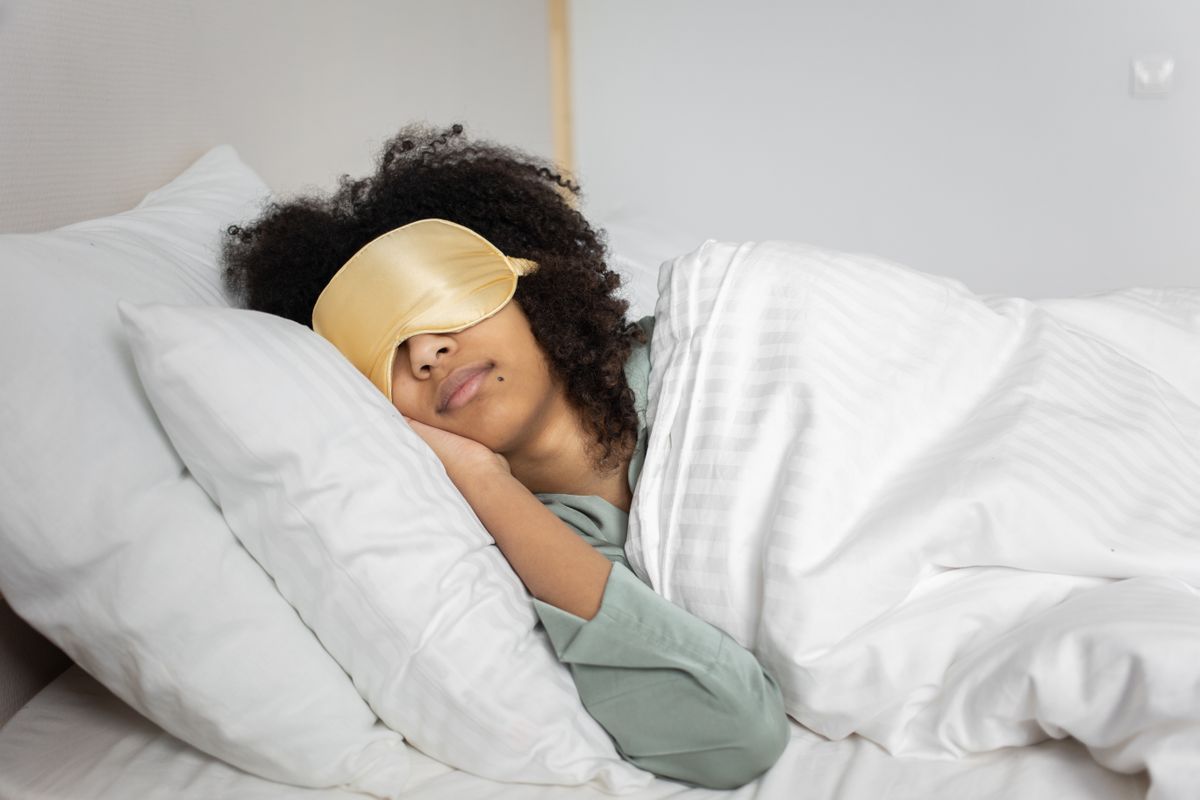
Long-term sleep disruptions may raise the risk of some cancers. But sleep and cancer are intertwined in other ways too. Getting a good night’s sleep is difficult during cancer treatment and can be a lifelong challenge for survivors.
How do sleep and cancer influence each other, and what can you do about a lack of sleep? Here’s what researchers have learned.
Long stretches of shift work may increase cancer risk.
Disruptions in the body’s “biological clock,” which controls sleep and thousands of other functions, may raise the odds of cancers of the breast, colon, ovaries and prostate. Exposure to light while working overnight shifts for several years may reduce levels of melatonin, encouraging cancer to grow.
What you can do:
“It’s important to keep up with recommended cancer screenings including mammograms , screening tests for colorectal cancer, and prostate checks recommended by your doctor,” Ruble says.
Cancer therapy side effects and emotions can disrupt sleep.
During cancer treatment, anxiety , depression , deep fatigue, digestive-system problems, breathing problems, hot flashes, night sweats and pain can all keep you from falling asleep and staying asleep.
What you can do:
Tell your doctor about your lack of sleep. Ask if you can be interrupted less often during sleep if you’re in the hospital. Relaxation techniques and cognitive behavioral therapy can help. Stick to a regular bedtime and wake-up time. Also, try to limit caffeine and reset your body clock by getting outdoors or sitting by a sunny window during the day.
Insomnia can bother cancer survivors for years and even decades.
“Lack of sleep has a huge impact on anyone’s ability to function in school or on the job,” Ruble says. “We are finding sleep problems in young survivors and want to know if they help explain the academic challenges they face.”
What you can do:
Ruble says the long-term side effects of treatment may explain survivors’ sleep problems, but activities that interfere with good sleep may also play a role. “Staying up late to play video games or watch TV and a lack of exercise can get in the way too,” she says.
Related articles
 Cancer Care
Physical self-care for cancer patients?
Coping with a cancer diagnosis can be one of the most stressful experiences of someone’s life and it is important to recognize that self-care during cancer is neither self-indulgent nor
Read article Health
Don’t wait, Hydrate! Drink Water
Don’t wait, Hydrate! Having a headache? Drink water. Feeling tired? Drink water. Not losing weight? Drink water. Drink water. Do you know that all of these are symptoms of not
Read article Cancer Care
Human papillomavirus (HPV)
Human papillomavirus (HPV) is a viral infection that is passed between people through skin-to-skin contact. There are over 100 varieties which are passed through sexual contact and can affect your genitals, mouth, or thr
Read article